- Duration
- 5 days
- Language
- English
Course Description
This course is for teachers and trainers in school education and adult educators in adult education.
The new skills and competencies will be how to make the activities in lessons more creative and innovative, and activities more dynamic, interesting, and memorable.
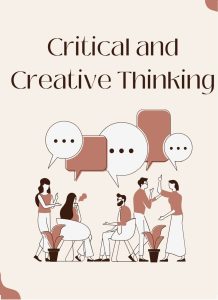
Creativity, critical thinking, and lateral thinking are the most important skills in the 21st century. These skills are necessary for 21st-century communication and interpersonal relationships, as well as for lifelong learning and employment.
Available Dates & Locations
- İstanbul, Türkiye
- Mon, Dec 08, 2025 - Fri, Dec 12, 2025
- 5 Days
- Konya, Türkiye
- Mon, Apr 20, 2026 – Fri, Apr 24, 2026
- 5 Days
- İstanbul, Türkiye
- Mon, May 25, 2026 – Fri, May 29, 2026
- 5 Days
- Kapadokya(Göreme), Türkiye
- Mon, Sep 21, 2026 - Fri, Sep 25, 2026
- 5 Days
- Antalya, Türkiye
- Mon, Dec 01, 2025 - Fri, Dec 05, 2025
- 5 Days
Methodologies Of The Course
The course is structured into 6 modules, each of which focuses on a particular area related to creative, critical, and lateral thinking.
Module 1: Creative thinking
Module 2: Critical thinking
Module 3: Lateral thinking
Module 4: Art as a form of expression of critical and creative thinking
Module 5: ICT tools to target and stimulate creativity and critical thinking
Module 6: How can we integrate critical and creative thinking competencies into project-based learning?
The course offers all participants opportunities for discussions, reflection, and feedback. The teachers and trainers will share their experience and good practices in critical, creative, and logical thinking. This allows the participants to gain new perspectives on thinking and apply them to real-world situations
Learning Outcomes
By the end of the course, each participant will be able to:
• learn how to apply critical, creative, and lateral thinking in their activities
• improve creative thinking skills and techniques
• develop tools and techniques for innovative problem solving
• learn how to approach multiple intelligence theory
• improve language and communication skills
• increase capacity to cooperate on the international level
• get practical ideas for applying to PBL
• get to know and practice ICT tools for developing creativity and problem-solving
• enhance intercultural awareness
• increase internationalisation at the level of education
• acquire practical language to be used in lessons and learn new techniques and ideas.
• understand the importance of critical and creative thinking in promoting inclusive education
Type of Certification Awarded
1. Certificate of Attendance
2. Europass Certificate (if requested)
Our courses are designed and delivered in compliance with the quality standards of the Erasmus+ Key Action 1 Quality Standards for Courses.
Schedule of the activities
Online Meeting Program
– Meeting with the trainer
– Presentation of info pack
– Q & A session
- Ice Breaker Activity
- Presentation of the course program and participants
- Introduction to the Concept of Thinking: Creative, critical, and logical
- 21st Century Competencies
- The 6 Days Project: Do Something Creative Every Day
- Creative and Critical Thinking: Similarities and Differences
- Creativity through Drama Activities
- Understanding Art as a form of expression of critical and creative thinking
- Application of creative and critical thinking (PBL)
- Lateral Thinking: How to Think Outside the Box
- Multiple Intelligence Theory
- Practical ways to increase the motivation of Thinking
- What is your learning style?
- Bloom’s Taxonomy and Designing Various Creative Tasks
- Problem-solving and solutions with Creativity skills
- ICT tools for educational empowerment: Exploring a range of ICT tools and applications suitable for classroom contexts
- Identifying appropriate ICT tools based on specific learning objectives and student needs
- Workshop: Practical exercises on integrating ICT tools for effective teaching and student empowerment
- Reflective session: Assessing the course learnings and formulating personal action plans for implementing ICT empowerment in schools
- Course conclusion and certification ceremony