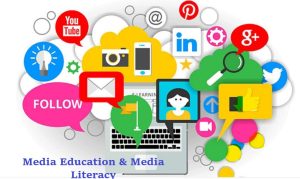
Media Education and Media Literacy

🇪🇺 Erasmus+ KA1 Structured Training Course

Media Education and Media Literacy

A practical Erasmus+ course for teachers who want to strengthen media literacy, digital citizenship, critical thinking and responsible media engagement in modern classrooms.

Media Education and Media Literacy
5 Days English • Türkiye • Erasmus+ KA1
Duration5 Days
🌍
LanguageEnglish
📍
LocationsTürkiye
🎓
CertificationAttendance & Europass

Course Description

Media plays a central role in shaping opinions, behaviours, and understanding of the world. In an era dominated by digital communication, social media, online content, and artificial intelligence, media literacy has become an essential competency for both teachers and students. Educators have a key responsibility in helping learners critically evaluate information, identify misinformation, understand media influence, and become responsible digital citizens and content creators.

This course is designed for teachers and educational professionals who wish to strengthen their media literacy competencies and integrate media education into their teaching practice. Participants will explore different forms of traditional and digital media, analyse media messages and representations, evaluate the credibility of information sources, and develop practical strategies for teaching media literacy across different educational contexts.

Through collaborative workshops, media analysis activities, content creation projects, and hands-on use of digital tools, participants will gain the knowledge, confidence, and resources needed to foster critical thinking, responsible media consumption, digital citizenship, and creative media production among their students.

Methodology

The course follows an active, inquiry-based, and collaborative learning approach that combines theoretical understanding with practical application. Participants will engage in media analysis activities, case studies, collaborative projects, content creation workshops, fact-checking exercises, peer-learning sessions, reflective discussions, digital storytelling activities, and action-planning exercises. The methodology promotes critical thinking, creativity, collaboration, digital competence, and responsible media engagement.

Learning Outcomes

By the end of the course, participants will be able to:

  • Understand the principles and importance of media literacy in contemporary education.
  • Analyse and evaluate media messages across different platforms and formats.
  • Identify misinformation, disinformation, fake news, and media bias.
  • Apply critical thinking strategies when evaluating media content.
  • Support students in becoming responsible media consumers and creators.
  • Develop media literacy learning activities and classroom resources.
  • Use digital tools for content creation and communication.
  • Promote digital citizenship, online safety, and responsible online behaviour.
  • Integrate media literacy into different subjects and educational contexts.
  • Foster intercultural understanding, tolerance, and responsible citizenship through media education.
  • Design media education projects that encourage student creativity and engagement.
Course Calendar

Available Dates & Locations

Oct2026
Istanbul, Türkiye
26–30 October 2026
5 Days
Nov2026
Alanya, Türkiye
23–27 November 2026
5 Days
Dec2026
Cappadocia, Türkiye
14–18 December 2026
5 Days
Jan2027
İzmir, Türkiye
18–22 January 2027
5 Days
Feb2027
Konya, Türkiye
8–12 February 2027
5 Days
Mar2027
Istanbul, Türkiye
22–26 March 2027
5 Days
Apr2027
Alanya, Türkiye
19–23 April 2027
5 Days
May2027
Cappadocia, Türkiye
17–21 May 2027
5 Days
Jun2027
İzmir, Türkiye
7–11 June 2027
5 Days
Jul2027
Konya, Türkiye
19–23 July 2027
5 Days
Aug2027
Istanbul, Türkiye
16–20 August 2027
5 Days
Programme and Tasks

5-Day Training Programme

Day 1

Foundations of Media Literacy and Digital Citizenship

Topics

  • Understanding media literacy in modern society.
  • Traditional and digital media landscapes.
  • Media influence on individuals and communities.
  • Digital citizenship and responsible online behaviour.

Tasks

  • Ice-breaking and networking activities.
  • Self-assessment of media literacy competencies.
  • Analysis of everyday media consumption habits.
  • Group discussion on media influence and responsibility.
  • Creation of a personal media-use reflection portfolio.
Day 2

Critical Analysis of Media Messages

Topics

  • Understanding media messages and representations.
  • Visual literacy and media interpretation.
  • Media bias, credibility, and source evaluation.
  • Recognising misinformation and fake news.

Tasks

  • Media content analysis workshops.
  • Fact-checking and source verification exercises.
  • Comparison of media coverage from different sources.
  • Group investigation of misinformation examples.
  • Development of classroom fact-checking activities.
Day 3

Social Media, Online Communication and Digital Responsibility

Topics

  • Social media ecosystems and communication patterns.
  • Responsible online participation.
  • Digital footprints and online reputation.
  • Online safety and ethical communication.

Tasks

  • Social media message analysis.
  • Design of responsible online behaviour guidelines.
  • Digital citizenship case studies.
  • Collaborative problem-solving activities.
  • Creation of classroom digital citizenship resources.
Day 4

Media Creation and Digital Storytelling

Topics

  • Principles of effective media production.
  • Digital storytelling techniques.
  • Visual communication and multimedia design.
  • Educational content creation.

Tasks

  • Creation of multimedia content projects.
  • Digital storytelling workshop.
  • Design of educational media resources.
  • Peer review and collaborative improvement.
  • Presentation of media creation projects.
Day 5

Integrating Media Literacy into Teaching Practice

Topics

  • Cross-curricular approaches to media literacy.
  • Assessment of media literacy competencies.
  • Developing school-wide media literacy initiatives.
  • Future challenges and opportunities in media education.

Tasks

  • Development of a Media Literacy Classroom Action Plan.
  • Design of media literacy lesson plans and activities.
  • Exchange of European good practices.
  • Presentation and peer review of implementation plans.
  • Course evaluation and certification ceremony.
Mobility Objectives

Objectives of the Mobility Experience

  • To strengthen participants' media literacy and digital citizenship competencies.
  • To promote critical thinking and responsible media consumption.
  • To develop practical strategies for teaching media literacy.
  • To improve participants' ability to identify misinformation and media bias.
  • To support the creation of responsible and ethical digital learning environments.
  • To enhance digital content creation and communication skills.
  • To encourage active citizenship, tolerance, and intercultural understanding.
  • To exchange European good practices related to media education.
  • To strengthen international cooperation and professional networking among educators.
Certification

Type of Certification Awarded

🏅Certificate of Attendance
🇪🇺Europass Certificateif requested
Erasmus+ KA1 Quality Standards
Our courses are designed and delivered in compliance with the quality standards of the Erasmus+ Key Action 1 Quality Standards for Courses.
Registration

Register for This Course

Please complete the form below to register or request more information.

    Skip to content